Three pennies - III
Professor Jan Nuckowski
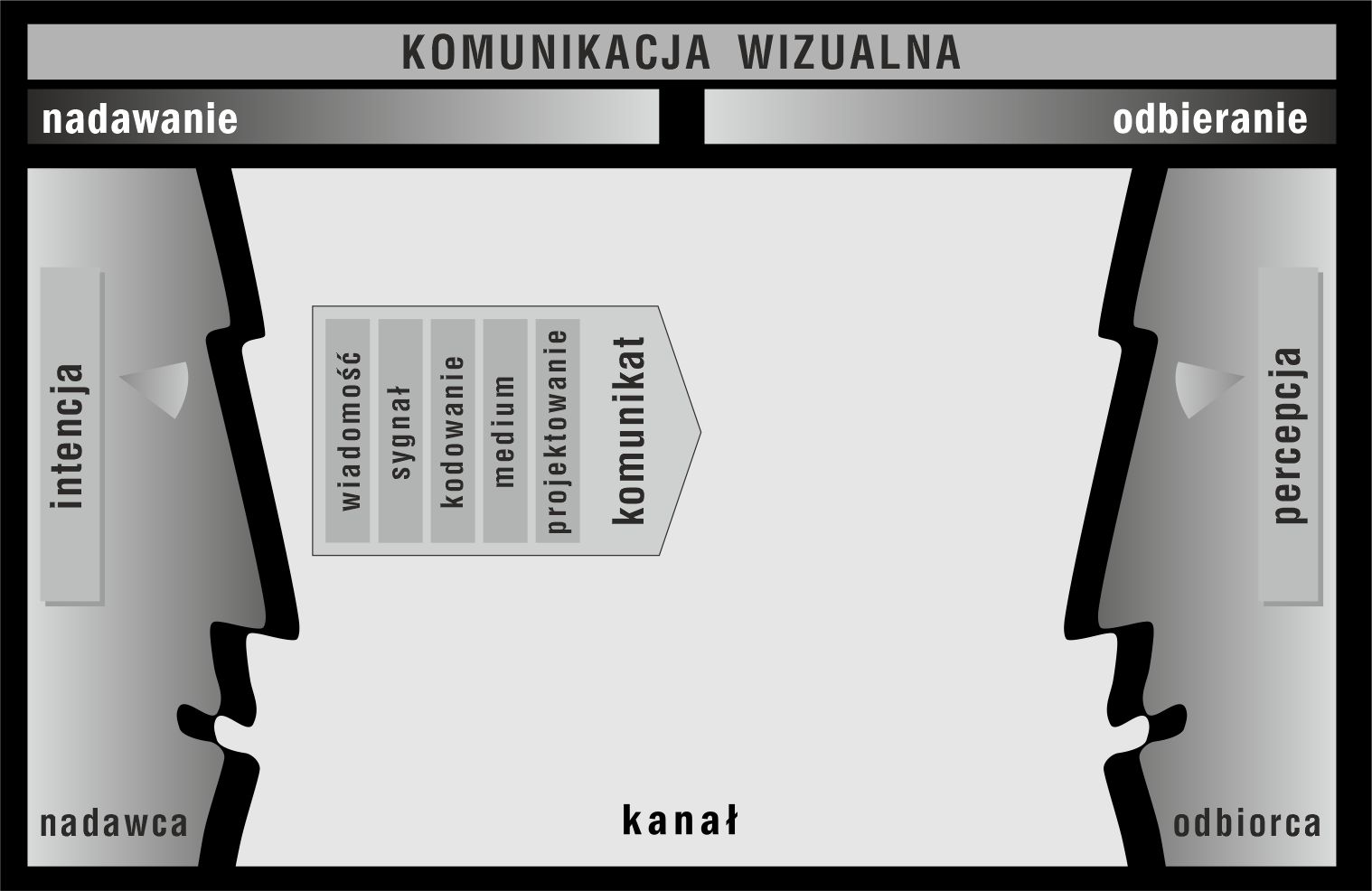
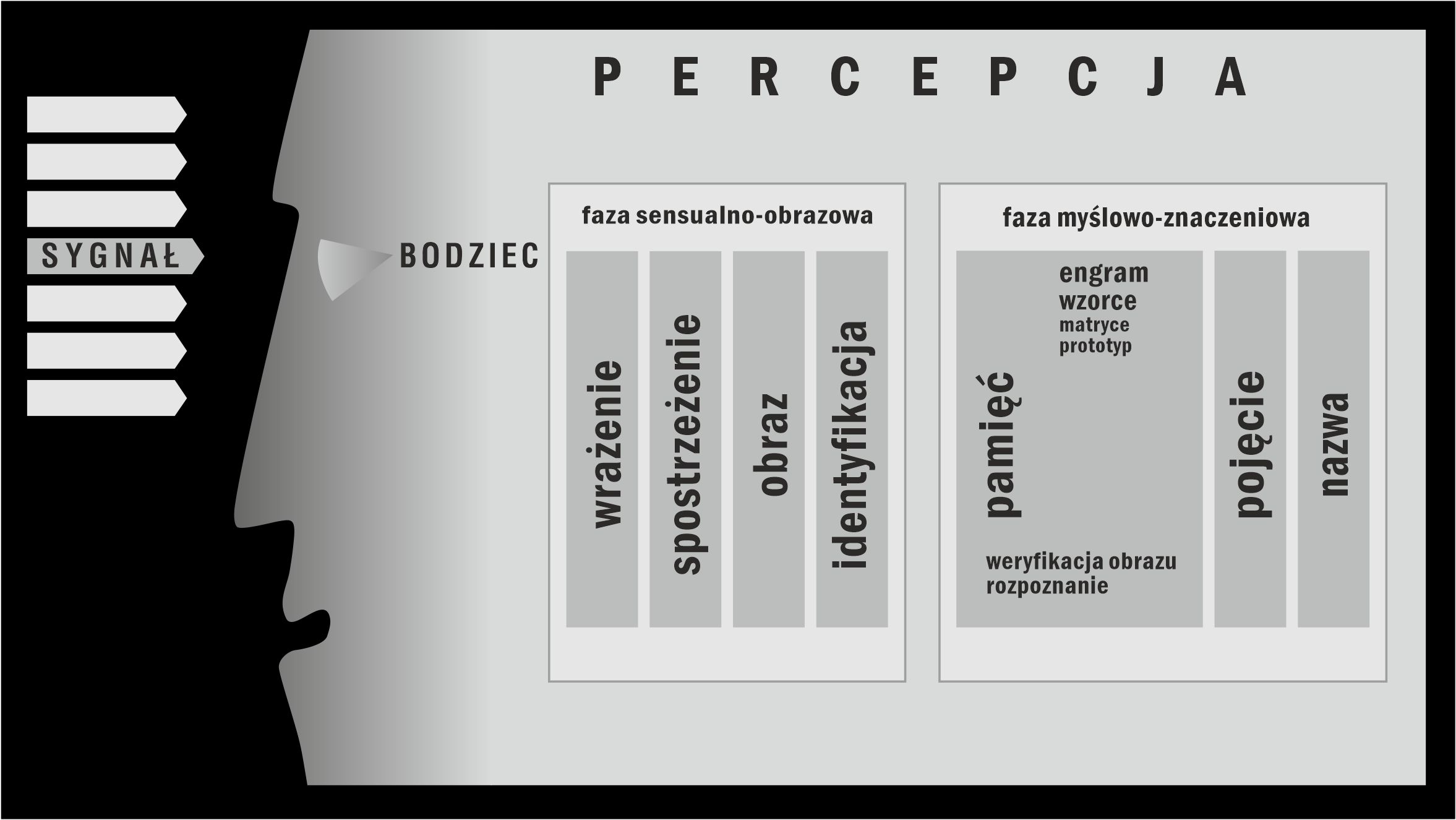
The term "information" has been mentioned several times. It is related to the concept of "signal." Unfortunately, the definitions of both meanings are not straightforward. For the purposes of explaining interpersonal communication, we can assume that a signal is something that generates phenomena, physical objects. Signals can become signs. Something is a sign of something to me; it provides me with information. Well, information, and what is it? Personally, I'm convinced by the definition, drawn from cybernetics and information theory, that it is any factor that reduces the degree of ignorance (uncertainty) about the phenomenon being studied, enabling a person, a living organism, or an automatic device to improve their knowledge of the environment and more efficiently carry out purposeful action; the source of information is the information received... Incidentally, in cybernetics, a human being is an independent functional system. How comforting, but...
With full consciousness, we scan everything around us. We perceive thousands of objects, all of which emit signals. Which of them, and why, become the first element in the entire chain of events that constitute the process leading to the expansion of our knowledge? Which ones trigger our reaction, one way or another? Which of these processes are those referred to as communication? Which ones do we eliminate, and why and how? Why don't we freeze from an overabundance of stimuli, as happens with our computers?
I'm entering an extremely delicate and, paradoxically, little-understood territory. This concerns, among other things, the brain and its functions. As Stanisław Lem said, "this device closest to us in the entire cosmos (it's in our heads, after all) operates on principles we still don't fully understand." However, this fact shouldn't be used as a compelling conclusion that would paralyze any further investigation. The problem, however, is the vastness of the subject. I'm talking about perception, to which we owe the ability to mentally map our surroundings.
In my considerations, I assumed that communication, especially interpersonal communication, consists solely of intentional processes consciously initiated by the sender, namely the human being. Looking at a chair, I see it because my sense of sight has been stimulated by the signal emitted by this physical object, which we call a chair. But the chair doesn't seem to want to communicate with me. "Ironically," the old man said to the painting, "and the painting, not once."
A characteristic feature of the issues discussed here is a certain ambiguity. I won't be able to explain precisely the definitions of individual concepts and the entire process of communication, including visual communication. This is especially true since we're dealing here with a whole range of situations that we can safely call phenomena.
If the alphabet we use is a collection of signs, what does it look like in other cases? There are many varieties, categories, and classifications of signs. Their nature, not only visual but also at times downright immaterial, can be mind-boggling. Goethe wrote in Wilhelm Meister's Apprenticeship: "Words are good, but not the best. The best is not expressed in words."
On one of my posters, a woman's hand holding an apple hands it to a man's. The poster is a photograph, so I arranged this biblical scene. The apple in this modern Eve's hand, even before the photograph was taken, was merely a fruit for sale in a store. By my decision, it became a sign – a sign of original sin, a sign of the ambition to possess knowledge equal to God's.
This is a good illustration of the will of the sender, who creates a sign,** using an apple for this purpose. Another time, he draws a cross composed of five red squares, to indicate that he has something related to Switzerland in mind. The coat of arms of Switzerland is a red, equal-armed cross composed of five squares. It is said that this is the only sign that each of us can precisely reproduce.
And what role does the recipient play? It's clear, they are to decipher the message addressed to them.
And at this point, I stop. To be continued in Part IV.