Three pennies - IV
Professor Jan Nuckowski

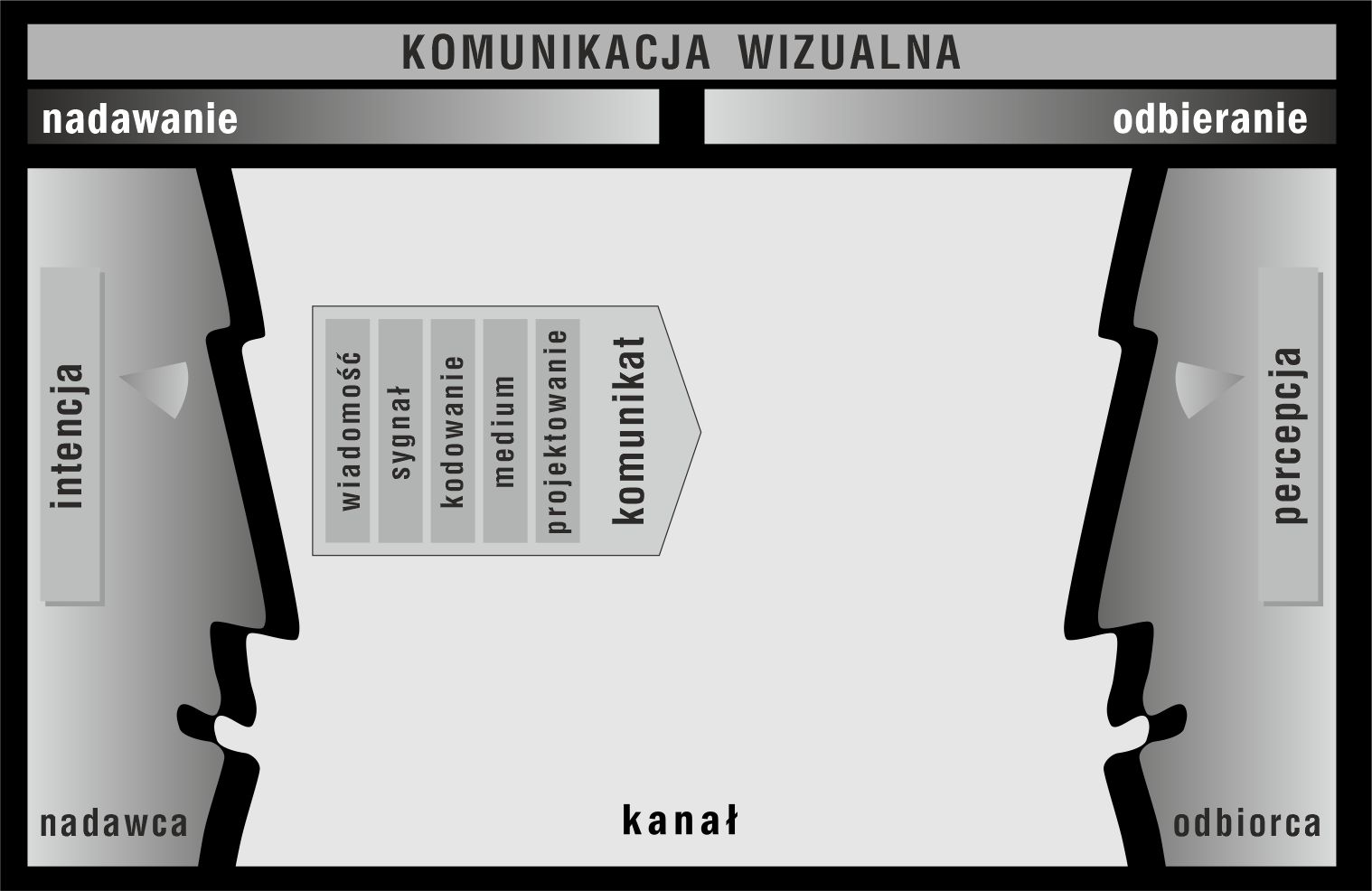
By message, I mean the sender's thought, formulated with the intention of transmitting. In my description of interpersonal communication, without a recipient, there is no communication. Without the recipient receiving and deciphering information, it is difficult to speak of human communication. An object, by definition a vehicle for information, is not a message, even though it was created with that intention.
The Rosetta Stone – a stele, brought to Europe in 1799 by Bonaparte's troops, was created in 196 BC to commemorate the accession of the twelve-year-old Ptolemy. The decree of notification was inscribed on the stone in three scripts: hieroglyphs, demotic script, and ancient Greek. A European standing before this stele could only guess that they were dealing with a text with a specific content. In reality, only the aesthetic qualities of this form of communication were available to them. They were therefore merely an artistic object. The viewer, in my understanding, could not complete the communication process. They were not participants in the agreement – they were unaware of the scriptures, which they could perceive but not read. This message was inaccessible to him.
Another example highlights the complexity of communication processes.
I light a candle on the grave of my loved ones, but it's not my intention to send a message; I have no such intention, nor am I creating any kind of message. Meanwhile, someone walking down the cemetery a moment later might perceive this burning candle as a sign. A sign they can interpret in various ways. Does this make them the recipient of the message?
If communication is a conscious action undertaken by one person, then its goal is to evoke a specific response in another. I mentioned that the sender aims to stimulate human activity in all its areas: the sphere of knowledge, values and attitudes, and finally the sphere of aesthetic experience. All of these forms of our activity can be stimulated by messages with a specific function.
These are:
- cognitive function (information)
- appeal function (emotive – persuasion)
- aesthetic function (aesthetic experience)
When a message objectively provides information about the reality around us, its objects and phenomena, expanding our knowledge of them, it fulfills the function of information. It satisfies the cognitive needs inherent in the human species. When it appeals in any way to our feelings, emotions, attitudes, or value systems, it fulfills the function of appeal. The aesthetic function is relatively the most transparent. Its purpose is to evoke aesthetic experiences, hence it is most often associated with art.
Besides these three functions already mentioned, it is necessary to distinguish the factive function, the strangest, yet extremely important. Its meaning lies in maintaining and continuing communication. The factive function is linked to that sphere of human nature whose satisfaction is linked to the need for contact with another person or group of people. Therefore, it plays an extremely important role in our social life. This applies in particular to all kinds of celebrations, ceremonies, rituals, and all those situations in which the content communicated plays a secondary role, and the need to confirm one's belonging to a group or community comes to the fore.
It should be emphasized that in practice, only in exceptional cases do we encounter communication (message) whose function is an example of one of the types presented. Conglomerations of two or even three types of functions are most common. A mathematics textbook could be considered an example of a pure form of the cognitive function of communication. While it is impossible to completely rule out instances of emotional or aesthetic uplift when understanding particularly sophisticated theses of mathematical logic, I do not believe this justifies the claim that we are dealing with a compilation of cognitive and aesthetic functions.
How long, Nuckowski, will you continue to abuse our patience?
I have finished, though I am aware of how much more remains.